Paul Robert Thomas Unveils “More Folk”: A Raw, Reflective Journey Through Memory, Mortality and the Human Fight to Endure
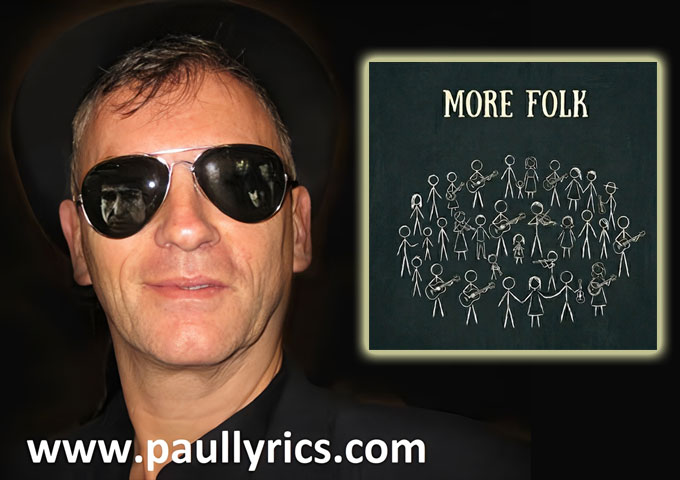
A powerful new chapter in the evolving folk vision of Paul Robert Thomas Ten songs of truth, resilience and emotional exploration arriving on 20 June 2026. A deeply human soundtrack of survival, reflection and the search for meaning.
Paul Robert Thomas returns with “More Folk”, an ambitious and deeply introspective album that continues his remarkable creative journey as a songwriter, producer and storyteller. Released on 20 June 2026 through London’s Swiss Cottage Recordz, with publishing by Studio City’s Unlimited Sounds LLC in conjunction with Budde Music and licensing by Audiosparx, Florida USA, the album represents the 54th album in Thomas’s extensive catalogue and follows the release of his previous folk collection “Some Folk”. This latest work expands his exploration of traditional folk foundations while preparing the path for the forthcoming third chapter in the trilogy, “Some More Folk.”
Built around organic instrumentation including picked acoustic guitars, strummed banjos and emotional fiddle arrangements, “More Folk” captures the timeless spirit of folk music while pushing it into a darker, more philosophical landscape. Rather than offering simple nostalgia or easy answers, Paul Robert Thomas approaches songwriting like a street philosopher observing humanity in all its contradictions. His lyrics examine memory, addiction, social pressure, faith, mortality and the fragile determination required to keep moving forward.
Across the album, Thomas creates a world where personal struggles reflect larger truths. His characters confront uncomfortable realities, question inherited beliefs and search for strength when external forces fail them. “More Folk” becomes less a collection of songs and more a meditation on survival, revealing beauty not through perfection, but through endurance.
Opening the album, “Were Those The Days?” immediately introduces one of its central themes: the complicated relationship between memory and reality. Thomas challenges the romantic idea that the past was automatically better, exploring how nostalgia can become a distorted reflection of life itself. With the familiar folk tradition of storytelling at its heart, the song questions whether memories are genuine or simply shaped by time and emotion. The contrast between youthful dreams and a modern world where “things aren’t built to last” creates a powerful reflection on aging, change and the unstoppable movement of time.
The second track, “I Ain’t Waiting For Jesus To Come,” delivers a fierce and urgent statement about responsibility and human action. Against imagery of environmental decline and societal breakdown, Paul Robert Thomas challenges the idea of waiting for a miraculous solution while problems continue to grow. The song does not dismiss belief, but instead demands personal and collective accountability. Its message is clear: the future of humanity depends on the choices people make today, not on waiting for someone else to repair the damage.

With “Compulsion,” Thomas turns inward, presenting one of the album’s most emotionally intense portraits of psychological struggle. The song explores the destructive power of obsession and addiction, portraying compulsion as a force that can overpower reason, relationships and self-control. Through a deeply empathetic perspective, Thomas examines the painful conflict between knowing something causes harm and feeling unable to escape its grip. The result is a haunting portrayal of vulnerability, isolation and the battle between human will and internal darkness.
“Before You Break” continues the album’s examination of modern pressures, focusing on exhaustion, emotional survival and society’s search for artificial solutions. Thomas explores the tension between authentic human pain and the desire to numb difficult experiences. The song questions a culture that often seeks quick fixes instead of confronting deeper problems, encouraging listeners to face reality with honesty and courage. Its message resonates as a call to reclaim emotional awareness and refuse to become disconnected from genuine human experience.
The atmosphere grows darker with “It Won’t Go Away,” a powerful exploration of persistent evil, historical shadows and the struggle to confront darkness. Drawing from haunting imagery and folklore-inspired references, Thomas presents negativity not as something distant, but as a force that survives when ignored. The song examines the collapse of certainty and the feeling of abandonment that comes when traditional sources of hope seem absent. Ultimately, it becomes a statement about resilience and the necessity of confronting what threatens the human spirit.
The sixth track, “No One To Blame,” shifts toward acceptance and quiet reflection. Here, Thomas examines the illusion of importance and the human desire to leave behind a lasting mark. Instead, he embraces the idea that every life is part of something much larger. The imagery of being a small fragment within the vast ocean of time transforms mortality into something peaceful rather than frightening. The song finds freedom in humility, suggesting that anonymity does not represent failure, but a natural part of existence.
On “Last Call,” Thomas delivers one of the album’s most dramatic and theatrical moments. The song explores the emotional cost of performance, creativity and the pressure to constantly deliver. Behind the public image of confidence lies exhaustion, fear and a longing to escape expectations. With its darker folk atmosphere, “Last Call” becomes a powerful examination of artistic struggle and the tension between passion and exploitation. It captures the moment when someone reaches the edge and must decide whether to continue or walk away.

“Seasons of My Heart” offers a deeply emotional journey through pain, trauma and eventual healing. Filled with striking gothic imagery, the song portrays a landscape of emotional devastation where suffering leaves lasting marks. Yet beneath its darkness lies a message of transformation. Thomas explores forgiveness as a way forward, suggesting that survival does not come from forgetting the past, but from learning how to carry it without being destroyed by it.
The ninth track, “Jack Dawson,” takes inspiration from history and challenges the mythology surrounding one of cinema’s most recognizable names. Thomas moves beyond the fictional image to focus on the real human story connected to the Titanic, highlighting the forgotten workers whose lives were lost beneath the surface of history. The song becomes a tribute to ordinary people whose sacrifices shaped extraordinary moments. Through folk storytelling, Thomas restores dignity to those often overlooked and reminds listeners that every life carries significance.
Closing the album, “They Are Gone” provides a moving and uplifting conclusion. This final track reflects on loss, remembrance and the continuation of life after grief. Through imagery of bells, candles and endless stars, Thomas creates a universal tribute to those who have passed while offering comfort to those who remain. The song recognises that people may leave the physical world, yet their influence and spirit continue through memory, love and shared humanity.
With “More Folk,” Paul Robert Thomas presents an album that embraces the traditional storytelling roots of folk music while exploring some of the most challenging questions of modern existence. Its songs confront disappointment, uncertainty and loss, yet the overall message is one of persistence. In a world that can feel increasingly fast, disposable and disconnected, Thomas reminds listeners that strength often comes from simply continuing forward, even through the hardest storms. “More Folk” is a deeply human record about survival, acceptance and the enduring courage found in choosing to go on.
OFFICIAL LINKS:
http://www.youtube.com/paulie56il
https://www.paullyrics.com/my-bio
https://lespaulsthepauls.bandcamp.com/music
https://www.facebook.com/paullyricist