Static Country Club Turns Romantic Chaos Into Alt-Rock Anthems on “Black and Blue” and “Wasted”

Portland songwriter William Hoffman combines alternative rock, pop-punk attitude, and infectious melodies under the Static Country Club banner. September single “Black and Blue” confronts the lingering frustration of a turbulent relationship, while October’s “Wasted” captures the absurdity of a romance strained by incompatible nightlife habits. Together, the tracks showcase an artist who understands that heartbreak can hurt, bad decisions can be hilarious, and the best rock songs often inhabit the space between the two. With polished production, driving guitars, and soaring choruses, Static Country Club delivers a compelling double showcase of melody and emotional mischief.
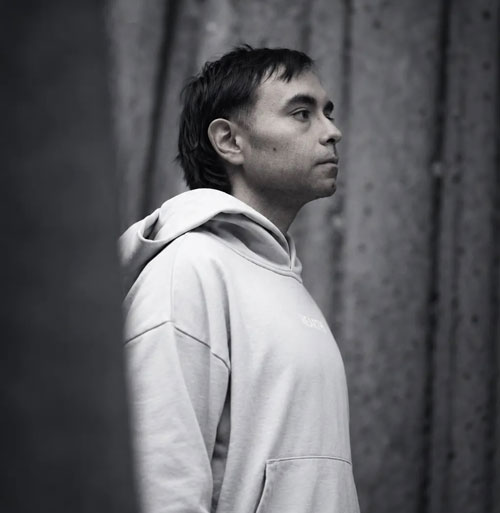
Portland-based songwriter William Hoffman, the creative force behind Static Country Club, understands that life rarely unfolds with the precision of a perfectly constructed pop song. Relationships become complicated, Friday nights spiral out of control, and the people we care about can leave us wondering whether to laugh, cry, or simply turn up the guitars. This collision of emotional sincerity and everyday absurdity defines Static Country Club, bringing together pop-punk immediacy, alternative rock urgency, and the rougher edges of indie rock without sacrificing the accessibility of a memorable hook.
The project’s two latest singles, “Black and Blue,” released September 20, 2026, and “Wasted,” released October 12, 2026, reveal complementary sides of Hoffman’s songwriting. One explores the frustration of a relationship that refuses to stop hurting, while the other follows a couple whose incompatible ideas of a good night expose the comic consequences of romantic dysfunction. Both transform familiar personal experiences into guitar-driven anthems with melodies that linger long after the final chorus.
Hoffman’s musical identity draws on an eclectic combination of influences. Growing up playing piano before moving toward guitar and songwriting gave him an early grounding in melody and structure, while Nirvana and pop-punk helped establish his appreciation for the tension between tunefulness and abrasion. Films such as Superbad and American Pie contributed another ingredient: humor rooted in awkward encounters, questionable decisions, and the often ridiculous business of growing up. His experience in acting, voice acting, and stand-up comedy further informs a songwriting approach that feels conversational and visual, capturing details that make situations both painfully familiar and unintentionally funny.
There is a practical discipline behind the apparent spontaneity. Every Static Country Club song begins acoustically, with Hoffman developing the chords, melody, and structure before introducing electric guitars, MIDI instruments, and additional production. His ADHD can send the creative process down unexpected paths, but the acoustic foundation keeps those experiments connected to the central composition. The resulting music balances expansive arrangements with a strong melodic core, allowing polished hooks and rougher guitar textures to coexist naturally.
That balance becomes particularly apparent on “Black and Blue,” a melodic, melancholic alternative rock song about returning to an emotional situation that should perhaps have been left behind. Its opening establishes a familiar cycle, with the narrator heading downtown with Cassie and her friends while the rituals of another Friday night unfold. Beneath the casual scene, resentment is already gathering. He is upset but initially reluctant to explain why, creating tension between what he feels and what he is prepared to admit.
The title provides the song’s most direct expression of that conflict. Being left “black and blue” evokes physical injury, while references to confusion and bruising establish the emotional damage at its center. Hoffman favors an accessible image over an elaborate metaphor, allowing the chorus to deliver its accusation with blunt force. The repeated insistence that everything is the other person’s fault conveys a narrator determined to identify the source of his pain, even as his frustration threatens to keep him trapped in the same argument.
The song’s cyclical structure reinforces that impression. The second verse returns to the other person’s freedom to do whatever they please, while the narrator remains unable to put the situation behind him. The recurring chorus offers no resolution, mirroring the experience of revisiting an old grievance without finding a way forward. Rather than overcomplicating the narrative, Hoffman makes repetition serve the song’s emotional logic.
Musically, “Black and Blue” gives its melancholy a compelling framework. Firmly strummed guitars and rich alternative rock textures provide momentum without overwhelming the melody, while Hoffman’s effortless vocal delivery makes the chorus immediate and memorable. The production favors clarity and forward movement, allowing the song to remain catchy without diminishing its wounded perspective. It is an effective example of how Static Country Club can turn relationship frustration into a melodic rock song that feels personal without becoming melodramatic.
Where “Black and Blue” examines the aftermath of romantic disappointment, “Wasted” turns incompatible lifestyles into a sharply observed nightlife narrative. The song introduces a couple whose expectations for an evening could hardly be further apart. He checks his watch, waiting for the night to end, while she buys drinks, meets strangers, and invents increasingly transparent reasons to stay. Details such as the fake ID she still keeps around and the boyfriend’s finance-oriented wardrobe quickly establish their contrasting personalities.
Hoffman’s writing thrives on these specific observations. The boyfriend waits outside while she remains inside, her promise to be ready in five minutes becoming an increasingly obvious fiction. Messages go unanswered, money disappears into the night’s expenses, and a blurry bathroom photograph becomes another fragment of the chaos. The narrative unfolds like a fast-moving comedy of errors, with each detail revealing more about the couple’s deteriorating patience.
At the center is a blunt, infectious chorus built around the fact that she loves getting wasted while her boyfriend cannot stand it. The narrator’s observation that she calls him boring while he considers her basic adds another layer of comic friction. Neither character emerges as an uncomplicated romantic hero. He wants predictability, while she resists the responsibilities that come with a relationship. Their conflict is hardly mysterious, but the song’s humor comes from watching them repeat a pattern neither seems willing to change.
The references to going out every Friday as though she were still eighteen introduce a question of maturity. The issue is not simply her enjoyment of drinking or socializing, but the apparent mismatch between her priorities and the expectations of her relationship. Hoffman avoids turning the subject into a lecture about nightlife or commitment, instead letting the characters’ behavior speak for itself. Their predicament is recognizable precisely because neither needs to articulate the obvious.

The closing scene adds another twist. As the boyfriend wants her home by midnight, she is outside smoking with the narrator. That final detail raises an intriguing question about the narrator’s own involvement. Is he simply observing the couple’s dysfunction, or has he become part of it? Hoffman leaves the ambiguity intact, giving the story a mischievous final beat without over-explaining the situation.
Musically, “Wasted” makes its strongest impression through contrast. A heavy, stomping shuffle recalls the propulsive attitude of Green Day. The verses maintain a conversational grit that suits the storytelling before the arrangement opens into a much bigger chorus. Hoffman’s soaring pop falsetto gives the refrain a striking lift, contrasting the grounded delivery of the verses with an expansive melodic release. The result draws on pop-punk aggression and radio-ready pop craftsmanship without losing its rock identity.
This blend places Static Country Club in an appealing space between alternative rock’s rougher impulses and pop’s immediate accessibility. The music carries urgency without becoming abrasive for its own sake, and the polished production never entirely erases the scrappy character of the songwriting. The directness of Green Day offers a useful point of comparison, while the melodic sheen and vocal confidence suggest an appreciation for contemporary pop’s ability to make a chorus feel enormous. Hoffman’s acoustic-first approach, however, keeps the songs anchored in composition rather than pure spectacle.
Together, “Black and Blue” and “Wasted” demonstrate two distinct strengths. The former turns romantic resentment into a memorable alternative rock refrain; the latter transforms a disastrous night out into an energetic pop-punk singalong. One leans into melancholy, the other embraces irreverence, but both benefit from Hoffman’s instinct for vivid details, direct language, and hooks that give their stories staying power.
For William Hoffman, the appeal of Static Country Club lies in recognizing that relationships can produce genuine heartache and spectacularly ridiculous situations, sometimes in equal measure. By embracing both without sacrificing musical focus, “Black and Blue” and “Wasted” offer a persuasive showcase of sharp melodic instincts, engaging storytelling, and guitars that know when to hit hard. These are songs for listeners who want rock music catchy enough to shout along with, honest enough to recognize themselves in, and entertaining enough to make even a terrible Friday night sound like a great story.
OFFICIAL LINKS:
Website: www.staticcountryclub.com
IG: @staticcountryclub
x: @staticcoclub
tiktok @staticcountryclub
Link Tree: https://linktr.ee/staticcountryclub